There’s something absolutely magical about waking up on Christmas morning to find the world transformed by a Christmas Snow fresh blanket of snow. The way it sparkles in the early morning light, muffles the usual sounds of the neighborhood, and creates that picture-perfect holiday scene we’ve all dreamed about since childhood. Christmas snow isn’t just frozen precipitation—it’s the ultimate holiday decorator, turning ordinary landscapes into winter wonderlands that seem straight out of a Hallmark movie.
As a meteorologist who’s spent decades studying weather patterns and their cultural impacts, I can tell you that Christmas snow holds a special place in both atmospheric science and human psychology. The phenomenon goes far beyond simple weather; it represents the perfect convergence of seasonal timing, atmospheric conditions, and our deepest cultural associations with the holiday season. When snow falls during Christmas, it doesn’t just change the landscape—it transforms our entire emotional experience of the holidays.
The relationship between Christmas and snow runs deeper than most people realize. It’s woven into our holiday traditions, our literature, our music, and even our evolutionary responses to seasonal changes. Understanding why Christmas snow feels so special requires looking at both the scientific mechanisms that create those perfect snowflakes and the cultural forces that have made snowy Christmases the gold standard of holiday magic.
The Science Behind Perfect Christmas Snow
The formation of Christmas snow follows the same fundamental principles as any snowfall, but the conditions during late December often create particularly memorable snow events. During this time of year in the Northern Hemisphere, we experience some of the most stable cold air masses of the winter season. These extended cold periods allow for the development of those classic, fluffy snowflakes that accumulate beautifully and create the picturesque scenes we associate with a perfect Christmas.
Temperature plays a crucial role in determining the quality of Christmas snow. The ideal conditions occur when surface temperatures hover between 15 and 30 degrees Fahrenheit, with atmospheric temperatures following a specific profile that allows snowflakes to maintain their intricate crystalline structure all the way to the ground. During Christmas week, many regions experience these optimal conditions because the winter solstice has recently passed, and the atmosphere has had time to establish stable, cold air patterns.
Humidity levels during the Christmas season also contribute to the formation of high-quality snow. The combination of cold air masses and adequate moisture creates the perfect environment for snow crystal formation. Unlike the wet, heavy snows that sometimes occur during warmer parts of winter, Christmas snow often exhibits that light, powdery quality that makes it perfect for snowmen, snow angels, and all the outdoor activities that define a white Christmas. The atmospheric dynamics during this period frequently produce steady, gentle snowfall rather than intense blizzards, creating those peaceful, snow-globe-like scenes that capture our imagination.
Cultural Significance and Holiday Traditions
The cultural importance of Christmas snow in Western societies cannot be overstated. Our collective imagination has been shaped by centuries of literature, art, and music that associate snow with Christmas magic. From Charles Dickens’ “A Christmas Carol” to Irving Berlin’s “White Christmas,” snow has become inextricably linked with our idealized version of the perfect holiday celebration. This cultural programming runs so deep that many people report feeling disappointed when Christmas arrives without snow, even in regions where snow is relatively uncommon.
Christmas snow traditions vary significantly across different cultures and regions, but they share common themes of joy, wonder, and community bonding. In many European countries, Christmas markets become even more enchanting when surrounded by snow-covered buildings and twinkling with lights reflected off fresh snowfall. The tradition of Christmas Eve walks through snowy neighborhoods has become a cherished ritual in many families, creating opportunities for quiet reflection and shared appreciation of winter’s beauty.
The psychological impact of Christmas snow extends beyond mere aesthetics. Research in environmental psychology suggests that snow during the holidays triggers positive emotional responses associated with childhood memories, family gatherings, and feelings of safety and comfort. The way snow transforms familiar landscapes into something extraordinary mirrors the transformative nature of the Christmas season itself, when ordinary homes become gathering places for celebration and everyday routines give way to special traditions and customs.
Regional Variations in Christmas Snow Patterns
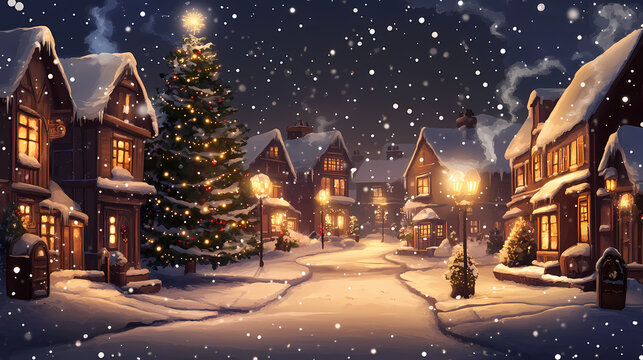
Christmas snow patterns vary Christmas Snow dramatically across different geographic regions, each creating its own unique holiday character. In the northern United States and southern Canada, Christmas snow is often abundant and reliable, with accumulated snowfall from earlier winter storms creating established winter landscapes by Christmas Day. These regions experience what meteorologists call “lake-effect snow” and “nor’easter” patterns that can deliver substantial Christmas snowfalls, sometimes creating the deep, powdery conditions perfect for winter sports and outdoor activities.
European Christmas snow patterns reflect the continent’s diverse climate zones and topographic influences. The Alps and other mountain regions almost guarantee white Christmases, while coastal areas and lower elevations experience more variable conditions. British Christmases, famously unpredictable in terms of snow, become particularly special when they do receive snowfall because of its relative rarity. The maritime climate of the British Isles means that Christmas snow, when it occurs, often creates exceptionally picturesque scenes against the backdrop of historic architecture and countryside landscapes.
In Asia, Christmas snow patterns vary enormously from the heavy snowfall regions of northern Japan and Siberia to areas where snow is virtually unknown. Countries like Japan have developed unique Christmas snow traditions that blend Western holiday customs with local winter festivals, creating distinctive celebrations that highlight the beauty of snow-covered temples and traditional architecture. The contrast between warm-climate Christmas celebrations and snowy northern regions demonstrates how differently cultures adapt holiday traditions to their local environmental conditions.
Creating Artificial Christmas Snow and Winter Wonderlands
The desire for Christmas snow has led to remarkable innovations in artificial snow creation and winter wonderland design. Theme parks, shopping centers, and event venues worldwide now regularly create artificial snow experiences to capture the magic of a white Christmas regardless of local climate conditions. Modern snow machines can produce surprisingly realistic artificial snow using a combination of water, compressed air, and specialized additives that help create the texture and appearance of natural snowflakes.
The technology behind artificial Christmas snow has evolved significantly over the past few decades. Early attempts at fake snow often involved materials like cotton batting or soap flakes, but modern artificial snow uses biodegradable materials and sophisticated production techniques that closely mimic the properties of natural snow. Some artificial snow products can even be made to fall like real snowflakes, creating convincing snowfall effects for holiday events and celebrations.
Creating convincing winter wonderlands involves much more than just artificial snow. Lighting designers, landscape architects, and event planners work together to recreate the complete sensory experience of Christmas snow, including the way light reflects off snow surfaces, the muffled acoustic qualities of snow-covered environments, and even the crisp, clean scent associated with fresh snowfall. These artificial environments allow people in warm climates to experience something approximating the magic of Christmas snow, though most agree that nothing quite matches the real thing.
Climate Change and the Future of Christmas Snow
Climate change presents significant challenges for traditional Christmas snow patterns, with warming temperatures affecting the reliability and timing of snowfall in many regions. Long-term climate data shows that many areas that historically experienced regular white Christmases are now seeing reduced snow frequency and duration. This shift has profound implications not only for holiday traditions but also for winter tourism, seasonal businesses, and the cultural associations we’ve built around snowy Christmases.
The changing patterns of Christmas snow reflect broader shifts in global weather systems and seasonal timing. Warmer average temperatures mean that precipitation that might have fallen as snow in previous decades now arrives as rain, fundamentally altering the winter landscape in many regions. Some areas are experiencing what meteorologists call “snow-rain transitions,” where Christmas weather becomes increasingly unpredictable and less likely to produce the consistent snow cover that creates classic winter wonderlands.
However, climate change effects on Christmas snow aren’t uniform across all regions. Some northern areas may actually experience increased snowfall as shifting weather patterns direct more moisture-laden storms toward traditionally cold regions. The key challenge is that these changes make Christmas snow less predictable and reliable, requiring communities and businesses that depend on winter weather to adapt their expectations and planning strategies.
Conclusion: Embracing the Wonder of Christmas Snow
Christmas snow represents one of nature’s most beautiful gifts to the holiday season, combining atmospheric science with cultural magic to create experiences that stay with us throughout our lives. Whether it’s the excited squeals of children discovering their first white Christmas or the quiet satisfaction of adults watching snow fall outside warm, glowing windows, Christmas snow connects us to both the natural world and our deepest holiday traditions.
As we face changing climate patterns that may alter traditional Christmas snow experiences, it becomes even more important to appreciate and celebrate these magical moments when they occur. Each snowy Christmas offers an opportunity to step outside our daily routines, engage with the natural world, and create memories that will warm us through many seasons to come. The science behind Christmas snow may explain how it forms, but the wonder it creates remains beautifully, mysteriously magical.
Whether you’re fortunate enough to experience natural Christmas snow or you’re creating your own winter wonderland through artificial means, the key is to embrace the transformative power of this seasonal phenomenon. Christmas snow reminds us that sometimes the most profound magic happens when atmospheric conditions, cultural traditions, and human emotions align perfectly to create moments of pure wonder and joy.